BELGRADE IS ONE OF THE OLDEST CONTINUOUSLY INHABITED CITIES IN THE WORLD!

Present-day Belgrade was home to one of Europe’s most significant prehistoric civilizations—the Vinča culture—dating back to 5700 BC, located right along the banks of the Danube.
Situated at the strategic crossroads of Europe, where the Sava joins the Danube, the city has been contested, destroyed, and rebuilt over 40 times. Throughout its turbulent history, it has carried many names, from the Celtic and Roman Singidunum to its modern name Belgrade (“The White City”)—a legacy born directly from its position along these two mighty waterways.
SINGIDUNUM
In ancient times, the region was inhabited by Thracian-Dacian tribes until 279 BC, when Celtic Scordisci settled the confluence and named their stronghold Singidun.
During the reign of Emperor Augustus in the 1st century BC, the Romans conquered the area, Latinized its name to Singidunum, and granted it full city rights in the 2nd century. Singidunum served as a vital military fortress along the Danube Frontier (Danubian Limes), housing the famous Roman Legion IV Flavia Felix.
Over the following centuries, the strategic riverside stronghold changed hands between the Byzantine, Bulgarian, Frankish, and Hungarian Empires before Slavic tribes permanently settled the area, setting the stage for the medieval Serbian city.
THE CAPITAL OF SERBIA
In 1284, the city first came under Serbian rule during the reign of King Dragutin, and later became the fortified capital of Serbia under Despot Stefan Lazarević in the 15th century before being conquered by the Ottomans in 1521.
Following the Serbian Uprisings against Ottoman rule in the early 19th century, Belgrade officially re-established its position as the capital of Serbia in 1841—a proud status it holds to this day. Today, you can admire the historic skyline of old Belgrade and Kosančićev Venac directly from the Sava River.
YUGOSLAVIA
Following World War I, Belgrade became the capital of the newly formed Kingdom of Serbs, Croats and Slovenians (later renamed Yugoslavia), uniting the South Slavic nations. After World War II, the city evolved into the political and cultural center of socialist Yugoslavia under Josip Broz Tito.
During this era, the city expanded rapidly across the Sava River, giving birth to New Belgrade with its world-famous brutalist architecture, modern river promenades, and iconic bridges. Following the breakup of Yugoslavia in the 1990s, Belgrade resumed its role as the proud capital of an independent Serbia.
21st CENTURY & THE MODERN RIVERFRONT
In the 21st century, Belgrade has transformed into a dynamic European capital, blending its rich historic soul with modern architecture and a world-famous lifestyle. The iconic Belgrade Waterfront development, the towering Kula Beograd, and the revitalization of historic docks like Beton Hala have completely reshaped the city’s skyline. Today, Belgrade’s life revolves around its rivers more than ever—offering a unique mix of fine dining, contemporary art at The Silos, vibrant nightlife, and scenic private boat cruises along the Sava and Danube.
BELGRADE IS ONE OF THE OLDEST CONTINUOUSLY INHABITED CITIES IN THE WORLD!
Present-day Belgrade was home to one of Europe’s most significant prehistoric civilizations—the Vinča culture—dating back to 5700 BC, located right along the banks of the Danube.
Situated at the strategic crossroads of Europe, where the Sava joins the Danube, the city has been contested, destroyed, and rebuilt over 40 times. Throughout its turbulent history, it has carried many names, from the Celtic and Roman Singidunum to its modern name Belgrade (“The White City”)—a legacy born directly from its position along these two mighty waterways.
SINGIDUNUM
In ancient times, the region was inhabited by Thracian-Dacian tribes until 279 BC, when Celtic Scordisci settled the confluence and named their stronghold Singidun.
During the reign of Emperor Augustus in the 1st century BC, the Romans conquered the area, Latinized its name to Singidunum, and granted it full city rights in the 2nd century. Singidunum served as a vital military fortress along the Danube Frontier (Danubian Limes), housing the famous Roman Legion IV Flavia Felix.
Over the following centuries, the strategic riverside stronghold changed hands between the Byzantine, Bulgarian, Frankish, and Hungarian Empires before Slavic tribes permanently settled the area, setting the stage for the medieval Serbian city.
THE CAPITAL OF SERBIA
In 1284, the city first came under Serbian rule during the reign of King Dragutin, and later became the fortified capital of Serbia under Despot Stefan Lazarević in the 15th century before being conquered by the Ottomans in 1521.
Following the Serbian Uprisings against Ottoman rule in the early 19th century, Belgrade officially re-established its position as the capital of Serbia in 1841—a proud status it holds to this day. Today, you can admire the historic skyline of old Belgrade and Kosančićev Venac directly from the Sava River.
YUGOSLAVIA
Following World War I, Belgrade became the capital of the newly formed Kingdom of Serbs, Croats and Slovenians (later renamed Yugoslavia), uniting the South Slavic nations. After World War II, the city evolved into the political and cultural center of socialist Yugoslavia under Josip Broz Tito.
During this era, the city expanded rapidly across the Sava River, giving birth to New Belgrade with its world-famous brutalist architecture, modern river promenades, and iconic bridges. Following the breakup of Yugoslavia in the 1990s, Belgrade resumed its role as the proud capital of an independent Serbia.
21st CENTURY & THE MODERN RIVERFRONT
In the 21st century, Belgrade has transformed into a dynamic European capital, blending its rich historic soul with modern architecture and a world-famous lifestyle. The iconic Belgrade Waterfront development, the towering Kula Beograd, and the revitalization of historic docks like Beton Hala have completely reshaped the city’s skyline. Today, Belgrade’s life revolves around its rivers more than ever—offering a unique mix of fine dining, contemporary art at The Silos, vibrant nightlife, and scenic private boat cruises along the Sava and Danube.
WHICH SIGHTS CAN BE SEEN FROM THE RIVERS
1. BELGRADE FORTRESS – KALEMEGDAN

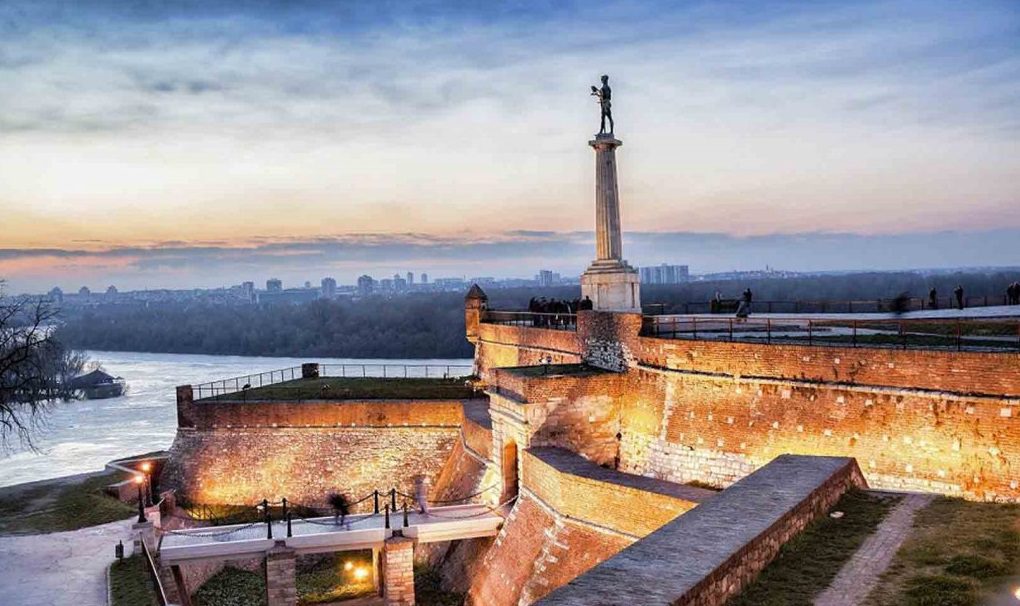
One of the largest and oldest fortresses in Europe sits majestically at the heart of Belgrade, towering over the confluence of the Sava and Danube rivers (just steps away from one of our primary departure marinas). First fortified by Celtic tribes in the 3rd century BC and later developed into a Roman stronghold, the fortress spans over 57 hectares.
It houses more than 50 historic monuments, including the iconic “Pobednik” (The Victor) statue—Belgrade’s most famous symbol, which offers its most stunning, unobstructed angle directly from the Sava River. Within its massive stone ramparts lie the Great Staircase, the mysterious Roman Well, ancient gates, medieval churches, and the outdoor artillery exhibition of the Military Museum. From the river, you can also admire the Lower Town (Donji Grad), historic catacombs, and the lush green parks surrounding the ancient walls.
2. THE GARDOŠ TOWER (MILLENNIUM TOWER)

Perched atop the historic cliff of Zemun overlooking the Danube, the Gardoš Tower was built by the Austro-Hungarian Empire in 1896 to celebrate 1,000 years of Hungarian settlement. Standing 36 meters tall, this romantic brick landmark is best admired from the water. A cruise past Zemun offers a picture-perfect view of Gardoš rising above the cobblestone streets, old tiled roofs, and charming seafood taverns lining the riverfront. During the summer months, a cruise along this stretch of the Danube rewards you with arguably the most breathtaking sunset in the city—as seen directly from the boat, with the sun dipping right behind the iconic silhouette of the tower and the historic hilltop panorama of Old Zemun.
3. ADA BRIDGE

The Ada Bridge is an engineering marvel and the world’s longest single-pylon cable-stayed bridge. Its singular, massive 200-meter pylon holds over 1,000 kilometers of steel cables. As one of the main bridges connecting Old and New Belgrade, passing directly under its impressive span on a boat gives you an unforgettable perspective on modern architecture. At night, cruising beneath it becomes a mesmerizing experience as the bridge’s vibrant illuminations reflect off the dark river surface, painting the water with a breathtaking, magical spectrum of light.
4. BELGRADE TOWER (KULA BEOGRAD)

Soaring 168 meters high across 42 floors, the Belgrade Tower is the tallest building in Southeast Europe and the crown jewel of the new Belgrade Waterfront complex on the right bank of the Sava. Designed with a striking twisted facade, it hides a fascinating detail: adhering to modern architectural superstition, the tower famously omits a designated 13th floor altogether, jumping straight from the 12th to the 14th level. At night, its full-height LED media facade lights up the riverbank with vibrant projections, creating a truly spectacular backdrop as you cruise along the Sava.
5. OLD TOWN & KOSANČIĆEV VENAC

Sloping down towards the Sava River between Branko’s Bridge and Kalemegdan lies Belgrade’s historic Old Town. From the comfort of your boat, you can take in panoramic views of the charming 19th-century cobblestone streets of Kosančićev Venac. Dominating this elevated skyline is the golden spire of St. Michael’s Cathedral (Saborna Crkva), built in Neoclassical style with an iconic Baroque bell tower, standing alongside the imposing Patriarchate Palace—the official seat of the Serbian Orthodox Church. Seen from the water, their grand silhouettes rise above the green riverbank, offering one of the most photographed cultural vistas in the city.
6. BETON HALA

Beton Hala (“Concrete Hall”) is Belgrade’s premier waterfront promenade, housed in revitalized mid-century customs warehouses directly beneath Kalemegdan Fortress. Positioned next to the international passenger dock, this vibrant strip features fine-dining restaurants, cocktail bars, and clubs, serving as a popular drop-off point for post-cruise dining and nightlife.
7. THE GREAT WAR ISLAND & LIDO BEACH

Located right at the confluence of the Sava and Danube, the Great War Island is an uninhabited, protected natural monument with a truly unique location. A quick look at Google Maps reveals an astonishing fact: this completely wild, untamed island sits directly in the exact geographic center of the city—a rare phenomenon for any European capital. Historically used as a strategic military staging ground against the fortress, today this green sanctuary is an internationally recognized Important Bird Area (IBA). Surprisingly close to the urban core, it harbors thriving populations of wild boars, foxes, roe deer, and hares, alongside rare river otters and over 200 bird species, including the magnificent white-tailed eagle. On its northern tip facing Zemun lies Lido Beach, a famous summer hotspot featuring fine golden sand, laid-back beach bars, and vibrant watersports, accessible primarily by boat.
8. ADA MEĐICA

Ada Međica is a serene, heavily forested river island tucked on the Sava River between New Belgrade and Ada Ciganlija. Known for its charming floating houses and stilt cottages (sojenice), the island has preserved a truly unique way of life: its residents voted to reject main power lines, running water, and sewage infrastructure to protect the pristine nature and maintain their off-grid, river lifestyle. The waters surrounding Ada Međica are considered the cleanest in the city for swimming. On summer weekends, Ada Međica transforms into Belgrade’s ultimate boat-gathering hub, where hundreds of vessels anchor for daytime floating parties, swimming, and sunbathing, while a rustic beach club at the island’s tip offers a relaxed vibe away from the urban noise.
9. SILOSI (BELGRADE SILOSI)

Downstream on the Danube, the Silosi complex features 64 monumental concrete grain silos, each 30 meters high, remaining from the communist era. Today, this massive industrial site has been transformed into a thriving cultural hub for contemporary art, music, and sculpture. Cruising past these giant structures offers the ultimate perspective on Belgrade’s monumental brutalist architecture mixed with modern urban culture.
10. BELA STENA (WHITE ROCK)

Located on the Danube on the tip of Forkontunac Island, Bela Stena is a hidden natural paradise famous for its expansive white sand beach. Surrounded by wild green nature, it features lively summer beach bars and traditional rustic taverns (čarde) serving fresh river fish soup. Accessible only by water, it is the ultimate destination for a full-day river escape
WHICH SIGHTS CAN BE SEEN FROM THE RIVERS
1. BELGRADE FORTRESS – KALEMEGDAN
One of the largest and oldest fortresses in Europe sits majestically at the heart of Belgrade, towering over the confluence of the Sava and Danube rivers (just steps away from one of our primary departure marinas). First fortified by Celtic tribes in the 3rd century BC and later developed into a Roman stronghold, the fortress spans over 57 hectares.
It houses more than 50 historic monuments, including the iconic “Pobednik” (The Victor) statue—Belgrade’s most famous symbol, which offers its most stunning, unobstructed angle directly from the Sava River. Within its massive stone ramparts lie the Great Staircase, the mysterious Roman Well, ancient gates, medieval churches, and the outdoor artillery exhibition of the Military Museum. From the river, you can also admire the Lower Town (Donji Grad), historic catacombs, and the lush green parks surrounding the ancient walls.
2. THE GARDOŠ TOWER (MILLENNIUM TOWER)
Perched atop the historic cliff of Zemun overlooking the Danube, the Gardoš Tower was built by the Austro-Hungarian Empire in 1896 to celebrate 1,000 years of Hungarian settlement. Standing 36 meters tall, this romantic brick landmark is best admired from the water. A cruise past Zemun offers a picture-perfect view of Gardoš rising above the cobblestone streets, old tiled roofs, and charming seafood taverns lining the riverfront. During the summer months, a cruise along this stretch of the Danube rewards you with arguably the most breathtaking sunset in the city—as seen directly from the boat, with the sun dipping right behind the iconic silhouette of the tower and the historic hilltop panorama of Old Zemun.
3. ADA BRIDGE
The Ada Bridge is an engineering marvel and the world’s longest single-pylon cable-stayed bridge. Its singular, massive 200-meter pylon holds over 1,000 kilometers of steel cables. As one of the main bridges connecting Old and New Belgrade, passing directly under its impressive span on a boat gives you an unforgettable perspective on modern architecture. At night, cruising beneath it becomes a mesmerizing experience as the bridge’s vibrant illuminations reflect off the dark river surface, painting the water with a breathtaking, magical spectrum of light.
4. BELGRADE TOWER (KULA BEOGRAD)
Soaring 168 meters high across 42 floors, the Belgrade Tower is the tallest building in Southeast Europe and the crown jewel of the new Belgrade Waterfront complex on the right bank of the Sava. Designed with a striking twisted facade, it hides a fascinating detail: adhering to modern architectural superstition, the tower famously omits a designated 13th floor altogether, jumping straight from the 12th to the 14th level. At night, its full-height LED media facade lights up the riverbank with vibrant projections, creating a truly spectacular backdrop as you cruise along the Sava.
5. OLD TOWN & KOSANČIĆEV VENAC
Sloping down towards the Sava River between Branko’s Bridge and Kalemegdan lies Belgrade’s historic Old Town. From the comfort of your boat, you can take in panoramic views of the charming 19th-century cobblestone streets of Kosančićev Venac. Dominating this elevated skyline is the golden spire of St. Michael’s Cathedral (Saborna Crkva), built in Neoclassical style with an iconic Baroque bell tower, standing alongside the imposing Patriarchate Palace—the official seat of the Serbian Orthodox Church. Seen from the water, their grand silhouettes rise above the green riverbank, offering one of the most photographed cultural vistas in the city.
6. BETON HALA
Beton Hala (“Concrete Hall”) is Belgrade’s premier waterfront promenade, housed in revitalized mid-century customs warehouses directly beneath Kalemegdan Fortress. Positioned next to the international passenger dock, this vibrant strip features fine-dining restaurants, cocktail bars, and clubs, serving as a popular drop-off point for post-cruise dining and nightlife.
7. THE GREAT WAR ISLAND & LIDO BEACH
Located right at the confluence of the Sava and Danube, the Great War Island is an uninhabited, protected natural monument with a truly unique location. A quick look at Google Maps reveals an astonishing fact: this completely wild, untamed island sits directly in the exact geographic center of the city—a rare phenomenon for any European capital. Historically used as a strategic military staging ground against the fortress, today this green sanctuary is an internationally recognized Important Bird Area (IBA). Surprisingly close to the urban core, it harbors thriving populations of wild boars, foxes, roe deer, and hares, alongside rare river otters and over 200 bird species, including the magnificent white-tailed eagle. On its northern tip facing Zemun lies Lido Beach, a famous summer hotspot featuring fine golden sand, laid-back beach bars, and vibrant watersports, accessible primarily by boat.
8. ADA MEĐICA
Ada Međica is a serene, heavily forested river island tucked on the Sava River between New Belgrade and Ada Ciganlija. Known for its charming floating houses and stilt cottages (sojenice), the island has preserved a truly unique way of life: its residents voted to reject main power lines, running water, and sewage infrastructure to protect the pristine nature and maintain their off-grid, river lifestyle. The waters surrounding Ada Međica are considered the cleanest in the city for swimming. On summer weekends, Ada Međica transforms into Belgrade’s ultimate boat-gathering hub, where hundreds of vessels anchor for daytime floating parties, swimming, and sunbathing, while a rustic beach club at the island’s tip offers a relaxed vibe away from the urban noise.
9. SILOSI (BELGRADE SILOSI)
Downstream on the Danube, the Silosi complex features 64 monumental concrete grain silos, each 30 meters high, remaining from the communist era. Today, this massive industrial site has been transformed into a thriving cultural hub for contemporary art, music, and sculpture. Cruising past these giant structures offers the ultimate perspective on Belgrade’s monumental brutalist architecture mixed with modern urban culture.
10. BELA STENA (WHITE ROCK)
Located on the Danube on the tip of Forkontunac Island, Bela Stena is a hidden natural paradise famous for its expansive white sand beach. Surrounded by wild green nature, it features lively summer beach bars and traditional rustic taverns (čarde) serving fresh river fish soup. Accessible only by water, it is the ultimate destination for a full-day river escape.
ADDITIONAL CRUISE ACTIVITIES
FLOATING CLUBS (SPLAVOVI)
For decades, Belgrade’s legendary nightlife has been one of its biggest global attractions, with floating river clubs and bars (splavovi) at its very heart. While there were up to 220 active nightlife floating venues until recently, that number has been temporarily reduced due to the ongoing city riverbank reorganization and relocation of venues to new designated waterfront zones. Nevertheless, the iconic energy remains unmatched.

From the dark waters at night, the spectacle is unmatched—pulsating lasers, strobe lights cutting through the night sky, and deep bass echoing across the river create an electrifying atmosphere. If you want to experience the city’s famous party scene, do it in ultimate style—arrive directly by private boat. We offer evening and night cruises that include a VIP drop-off at premier riverfront clubs. Beyond making an unforgettable entrance right from the water, you bypass long entrance lines, heavy city traffic, parking headaches, and late-night taxi rides entirely.
FLOATING RESTAURANTS
Belgrade is home to nearly 200 floating restaurants along its riverbanks, ranging from sleek modern dining venues to cozy, rustic taverns with an authentic local atmosphere. They serve everything from rich traditional Serbian specialties and fresh river fish to international fine dining.

If you choose to pair your cruise with lunch or dinner (available for crusies 3+ hour), we can dock directly at selected floating restaurants where a reserved table will be waiting for you.
RIVER BEACHES & HIDDEN SWIMMING SPOTS
Belgrade’s rivers offer dozens of unique beaches and swimming locations. The Danube is famous for its natural golden sandbanks, while the Sava features pebbled shores and sunbathing spots. The most famous is Ada Ciganlija, a massive river peninsula turned artificial lake. Other iconic spots include Lido Beach on Great War Island, the sandy shores beneath Pupin Bridge, and the natural paradise of Bela Stena. For a more exclusive vibe, the secluded pebbled beaches near Boljevci and the clean waters surrounding Ada Međica offer perfect anchoring spots for a refreshing swim right off the boat.

We take you far beyond the crowded public shorelines to hidden, pristine swimming spots accessible only by water. During our day cruises (3 or more hours), we can anchor the boat in calm, crystal-clear bays near island beaches or wild sandbars, allowing you to swim directly off the deck, sunbathe on comfortable cushions, play your favorite playlist, and enjoy cold drinks in total privacy and comfort.
AUTHENTIC LOCAL HOSPITALITY & RIVER CULTURE
While we can book your itinerary, one thing happens completely spontaneously: warm, memorable interactions with the locals. Belgraders are world-renowned for their hospitality, friendly spirit, and love for river life. Spontaneous conversations over drinks at local marinas or between anchored boats are a core part of summer culture here. If you want to experience the true, authentic soul of Belgrade beyond standard tourist tours, there is no better place to do it than on the water.

ADDITIONAL CRUISE ACTIVITIES
FLOATING CLUBS (SPLAVOVI)
For decades, Belgrade’s legendary nightlife has been one of its biggest global attractions, with floating river clubs and bars (splavovi) at its very heart. While there were up to 220 active nightlife floating venues until recently, that number has been temporarily reduced due to the ongoing city riverbank reorganization and relocation of venues to new designated waterfront zones. Nevertheless, the iconic energy remains unmatched.
From the dark waters at night, the spectacle is unmatched—pulsating lasers, strobe lights cutting through the night sky, and deep bass echoing across the river create an electrifying atmosphere. If you want to experience the city’s famous party scene, do it in ultimate style—arrive directly by private boat. We offer evening and night cruises that include a VIP drop-off at premier riverfront clubs. Beyond making an unforgettable entrance right from the water, you bypass long entrance lines, heavy city traffic, parking headaches, and late-night taxi rides entirely.
FLOATING RESTAURANTS
Belgrade is home to nearly 200 floating restaurants along its riverbanks, ranging from sleek modern dining venues to cozy, rustic taverns with an authentic local atmosphere. They serve everything from rich traditional Serbian specialties and fresh river fish to international fine dining.
If you choose to pair your cruise with lunch or dinner (available for crusies 3+ hour), we can dock directly at selected floating restaurants where a reserved table will be waiting for you.
RIVER BEACHES & HIDDEN SWIMMING SPOTS
Belgrade’s rivers offer dozens of unique beaches and swimming locations. The Danube is famous for its natural golden sandbanks, while the Sava features pebbled shores and sunbathing spots. The most famous is Ada Ciganlija, a massive river peninsula turned artificial lake. Other iconic spots include Lido Beach on Great War Island, the sandy shores beneath Pupin Bridge, and the natural paradise of Bela Stena. For a more exclusive vibe, the secluded pebbled beaches near Boljevci and the clean waters surrounding Ada Međica offer perfect anchoring spots for a refreshing swim right off the boat.
We take you far beyond the crowded public shorelines to hidden, pristine swimming spots accessible only by water. During our day cruises (3 or more hours), we can anchor the boat in calm, crystal-clear bays near island beaches or wild sandbars, allowing you to swim directly off the deck, sunbathe on comfortable cushions, play your favorite playlist, and enjoy cold drinks in total privacy and comfort.
AUTHENTIC LOCAL HOSPITALITY & RIVER CULTURE
While we can book your itinerary, one thing happens completely spontaneously: warm, memorable interactions with the locals. Belgraders are world-renowned for their hospitality, friendly spirit, and love for river life. Spontaneous conversations over drinks at local marinas or between anchored boats are a core part of summer culture here. If you want to experience the true, authentic soul of Belgrade beyond standard tourist tours, there is no better place to do it than on the water.
